

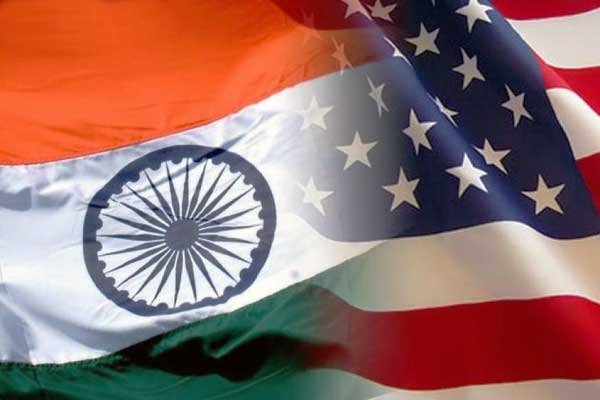
A Deal Without a Signature?
The so-called India-US trade deal 2026 has sparked global headlines — but also raised serious questions. While the United States, led by President Donald Trump, has publicly claimed sweeping concessions from India — including ending Russian oil imports and committing to massive purchases of U.S. oil, defence equipment, and aircraft — New Delhi has remained conspicuously silent.
This unusual situation has triggered debate: Is this a finalized trade agreement, a political announcement, or simply a negotiating narrative driven by Washington
What the United States Is Claiming
According to statements made by U.S. President Donald Trump and briefings attributed to U.S. officials, the agreement allegedly includes:
- Reduction of U.S. tariffs on Indian goods from nearly 50% to 18%
- India agreeing to stop buying Russian oil
- India committing to purchase:
- U.S. crude oil and LNG
- Defence equipment
- Commercial aircraft
- Technology and agricultural products
- A broader “Buy American” orientation to reduce the U.S. trade deficit
These claims were widely circulated in global media, often sourced to Trump’s remarks or unnamed officials.
India’s Position: What Has Not Been Said
No Official Indian Confirmation
As of now:
- ❌ No joint statement
- ❌ No MEA press release
- ❌ No Commerce Ministry notification
- ❌ No Cabinet approval disclosure
India has not officially confirmed:
- Ending Russian oil imports
- Any binding commitment to buy U.S. defence goods or aircraft
- Any $500-billion purchase figure
- Any timeline for zero tariffs or market opening
This silence is significant — especially for a deal of such geopolitical and economic magnitude.
What Kind of Deal Is This, Then?
1. Not a Signed Trade Agreement
There is no legally binding treaty, Free Trade Agreement (FTA), or ratified framework announced by India.
2. Likely a Political or Negotiating Understanding
Experts believe this may be:
- A preliminary understanding
- A U.S. political announcement ahead of domestic or diplomatic pressure
- A negotiation leverage move, not a finalized deal
In global trade practice, real agreements involve:
- Joint communiqués
- Legal texts
- Parliamentary or cabinet processes
None of these have been made public by India.
Why the Credibility Gap Matters
Energy Sovereignty
India has repeatedly stated that:
- Its oil purchases are based on price, availability, and national interest
- Energy decisions will not be dictated by external pressure
Abruptly ending Russian oil imports would:
- Raise import costs
- Impact inflation
- Undermine India’s strategic autonomy
Such a move would require formal policy change, not verbal agreement.
Defence Procurement Reality
India’s defence acquisitions:
- Follow multi-year procurement cycles
- Require tendering, trials, and parliamentary oversight
- Cannot be committed verbally or politically overnight
Any claim of instant aircraft or defence purchases lacks procedural backing.
Market Reaction vs Policy Reality
Indian markets surged after tariff-cut news — but markets respond to expectations, not confirmations.
History shows:
- Market rallies often precede details
- Reversals occur when claims fail to materialize
Without official Indian confirmation, policy certainty remains low.
Why the US May Be Driving the Narrative
Domestic Political Messaging
- Trump has framed the announcement as a trade victory
- “Ending Russian oil purchases” fits U.S. geopolitical messaging
Pressure Tactic
Public claims can:
- Lock partners into negotiating positions
- Shift global perception before documents are signed
This tactic is not uncommon in high-stakes diplomacy.
What India Has Actually Acknowledged
So far, India has only:
- Acknowledged tariff relief on exports
- Expressed willingness to continue trade discussions
- Avoided validating any oil or defence commitments
This suggests talks are ongoing, not concluded.
Expert View: Caution Over Celebration
Trade analysts warn:
- Verbal claims ≠ binding commitments
- One-sided announcements often change during negotiations
- Real impact depends on signed texts, not soundbites
Until India issues a formal statement, the deal remains politically claimed but diplomatically unconfirmed.
Conclusion: Deal, Draft, or Declaration?
The India-US trade deal 2026 currently appears to be:
- ✔ A real tariff easing development
- ❌ Not a finalized comprehensive agreement
- ❌ Not officially endorsed by India in full
Until New Delhi speaks on record, claims about ending Russian oil imports and massive U.S. purchases remain assertions, not agreements.
For now, this is a deal announced by one side — and awaited by the other.
India’s Official Position (So Far)
Government Silence on Key Clauses
- The Indian government so far has only publicly acknowledged the tariff reduction portion of the deal — that U.S. tariffs on Indian goods have been reduced. It has not confirmed the oil end-purchase agreement or other commitments in an official release.
Consistent Stance on National Interest
- In trade discussions, senior Indian officials (e.g., External Affairs Minister S. Jaishankar) have repeatedly emphasized that India’s energy and defence sourcing decisions are driven by national interest and strategic priorities — not by external pressure.
🧾 Summary: What Is Confirmed vs. What Is Still Unverified
| Claim | Reported by U.S. Side | Officially Confirmed by India |
|---|---|---|
| India will stop buying Russian oil | ❗Reported by Trump (media quotes) | ❌ Not confirmed by India |
| India will buy more U.S. petroleum & energy | ❗Reported by Trump & unnamed sources | ❌ No official Indian statement yet |
| India will purchase defence goods & aircraft | ❗Cited by an unnamed govt official (Reuters) | ❌ No formal Indian release |
| U.S. tariffs cut to 18% | ✅ Confirmed by multiple reports | 🟡 India acknowledged tariff cut |
| Deal includes central framework for future talks | ❗Reported but details TBD | ❗ Awaiting official details |
Key Takeaway
There is a major currency-market reaction and reported understanding between India and the U.S. on tariff cuts and broader economic cooperation. However:
- India has not officially confirmed on record that it will end purchases of Russian oil or made publicly detailed binding commitments to buy U.S. defence goods, aircraft, or specific energy products.
- Much of the reporting comes from U.S. statements and unnamed sources cited by Reuters — not from a publicly issued India government press statement or MEA release.
In international trade deals, nations often announce understandings first and formalize/detailed agreements later — so official confirmations may still come in subsequent days or weeks.
About The Author
Discover more from Jist Feed
Subscribe to get the latest posts sent to your email.